

 摘要:
Go 与 Istio:云原生服务网格的完美结合 什么是 Istio? Istio 是一个开源的服务网格平台,它通过透明地注入到应用程序中的代理(基于 Envoy)来提供流量管理、安...
摘要:
Go 与 Istio:云原生服务网格的完美结合 什么是 Istio? Istio 是一个开源的服务网格平台,它通过透明地注入到应用程序中的代理(基于 Envoy)来提供流量管理、安... 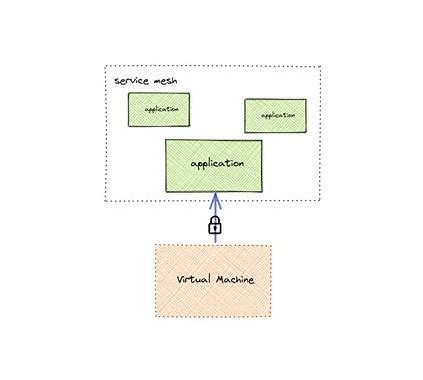
Go 与 Istio:云原生服务网格的完美结合
什么是 Istio?
Istio 是一个开源的服务网格平台,它通过透明地注入到应用程序中的代理(基于 Envoy)来提供流量管理、安全性和可观察性功能。该项目最初由 Google、IBM 和 Lyft 共同开发,现已成为云原生计算基金会(CNCF)的毕业项目。
Go 在 Istio 中的核心作用
1. 控制平面组件
Istio 的控制平面主要由 Go 语言编写,包括以下关键组件:
- Pilot:服务发现和流量管理
- Galley:配置验证和分发
- Citadel:证书管理和安全通信
- Mixer:策略执行和遥测收集(在较新版本中已逐步被替代)
2. 优势体现
Go 语言为 Istio 带来了显著优势: - 高性能:协程和并发模型适合处理大量网络连接 - 部署简单:编译为单个二进制文件,依赖少 - 内存安全:减少内存泄漏和缓冲区溢出风险 - 强大的标准库:特别适合网络和并发编程
核心功能实例
示例 1:流量路由与金丝雀发布
text
# VirtualService 配置示例
apiVersion: networking.istio.io/v1beta1
kind: VirtualService
metadata:
  name: reviews-route
spec:
  hosts:
  - reviews
  http:
  - match:
    - headers:
        end-user:
          exact: jason
    route:
    - destination:
        host: reviews
        subset: v2
  - route:
    - destination:
        host: reviews
        subset: v1
      weight: 90
    - destination:
        host: reviews
        subset: v2
      weight: 10
对应的 Go 代码处理逻辑:
text
// Pilot 中处理路由配置的简化示例
func processVirtualService(config model.Config) error {
    vs := config.Spec.(*networking.VirtualService)

    for _, httpRoute := range vs.Http {
        // 处理匹配规则
        if len(httpRoute.Match) > 0 {
            processRouteMatches(httpRoute.Match)
        }

        // 处理路由目的地
        for _, route := range httpRoute.Route {
            processDestination(route.Destination)
        }
    }
    return nil
}
示例 2:安全策略实施
text
// Citadel 中证书管理的简化示例
type CertificateAuthority struct {
    caCert    *x509.Certificate
    caKey     crypto.PrivateKey
    certTTL   time.Duration
}

func (ca *CertificateAuthority) GenerateCertificate(
    identity string,
    opts CertificateOptions,
) (*security.CertChain, error) {

    // 创建证书模板
    template := x509.Certificate{
        SerialNumber: generateSerialNumber(),
        Subject: pkix.Name{
            CommonName: identity,
        },
        NotBefore: time.Now(),
        NotAfter:  time.Now().Add(ca.certTTL),
        KeyUsage:  x509.KeyUsageKeyEncipherment | x509.KeyUsageDigitalSignature,
        ExtKeyUsage: []x509.ExtKeyUsage{
            x509.ExtKeyUsageServerAuth,
            x509.ExtKeyUsageClientAuth,
        },
    }

    // 生成证书
    certBytes, err := x509.CreateCertificate(
        rand.Reader,
        &template,
        ca.caCert,
        opts.PublicKey,
        ca.caKey,
    )

    return &security.CertChain{
        Certificate: certBytes,
    }, err
}
示例 3:遥测数据收集
text
// Mixer 适配器处理指标的简化示例
type MetricsHandler struct {
    backend metrics.Backend
}

func (h *MetricsHandler) HandleMetrics(ctx context.Context, instances []*metric.Instance) error {
    for _, instance := range instances {
        labels := make(map[string]string)

        // 处理维度标签
        for key, value := range instance.Dimensions {
            labels[key] = value.GetStringValue()
        }

        // 发送指标到后端
        err := h.backend.Record(
            instance.Name,
            instance.Value,
            labels,
            instance.Timestamp,
        )
        if err != nil {
            log.Errorf("Failed to record metric: %v", err)
        }
    }
    return nil
}
开发实践建议
1. 项目结构
text
istio/
├── pilot/           # 流量管理
├── security/        # 安全组件
├── operator/        # 安装和运维
├── tools/          # 开发工具
└── tests/          # 测试代码
2. 代码贡献指南
text
# 1. 克隆项目
git clone https://github.com/istio/istio.git

# 2. 安装依赖
make depend

# 3. 运行测试
make test

# 4. 构建组件
make build

# 5. 运行本地环境
make local
3. 调试技巧
text
// 使用 Istio 的日志工具
import "istio.io/pkg/log"

func main() {
    // 设置日志级别
    log.SetOutputLevel(log.DebugLevel)

    // 结构化日志
    log.Infof("Processing request from %s", source)
    log.WithLabels("component", "pilot").Debug("Route updated")
}
性能优化实践
1. 连接池管理
text
type ConnectionPool struct {
    mu      sync.RWMutex
    conns   map[string][]*grpc.ClientConn
    maxSize int
}

func (p *ConnectionPool) Get(addr string) (*grpc.ClientConn, error) {
    p.mu.RLock()
    conns, exists := p.conns[addr]
    p.mu.RUnlock()

    if exists && len(conns) > 0 {
        p.mu.Lock()
        conn := conns[0]
        p.conns[addr] = conns[1:]
        p.mu.Unlock()
        return conn, nil
    }

    // 创建新连接
    return grpc.Dial(addr, grpc.WithInsecure())
}
2. 缓存策略
text
type ConfigCache struct {
    cache   *ristretto.Cache
    ttl     time.Duration
}

func NewConfigCache(size int) *ConfigCache {
    cache, _ := ristretto.NewCache(&ristretto.Config{
        NumCounters: int64(size) * 10,
        MaxCost:     int64(size),
        BufferItems: 64,
    })

    return &ConfigCache{
        cache: cache,
        ttl:   time.Hour,
    }
}
总结
Istio 项目充分展示了 Go 语言在云原生基础设施领域的强大能力。通过 Go 的高并发特性、优秀的网络编程支持以及简洁的语法,Istio 实现了高性能、可靠的服务网格控制平面。对于想要深入了解服务网格技术或参与云原生项目开发的 Go 开发者来说,Istio 是一个绝佳的学习和实践平台。
项目的活跃社区、完善的文档和丰富的示例代码,使得开发者能够快速上手并参与到这个重要的云原生项目中。无论是想要了解服务网格原理,还是希望贡献代码,Istio 都提供了极佳的机会。
istio_20260204151312.zip
类型:压缩文件|已下载:0|下载方式:免费下载
立即下载







还没有评论,来说两句吧...